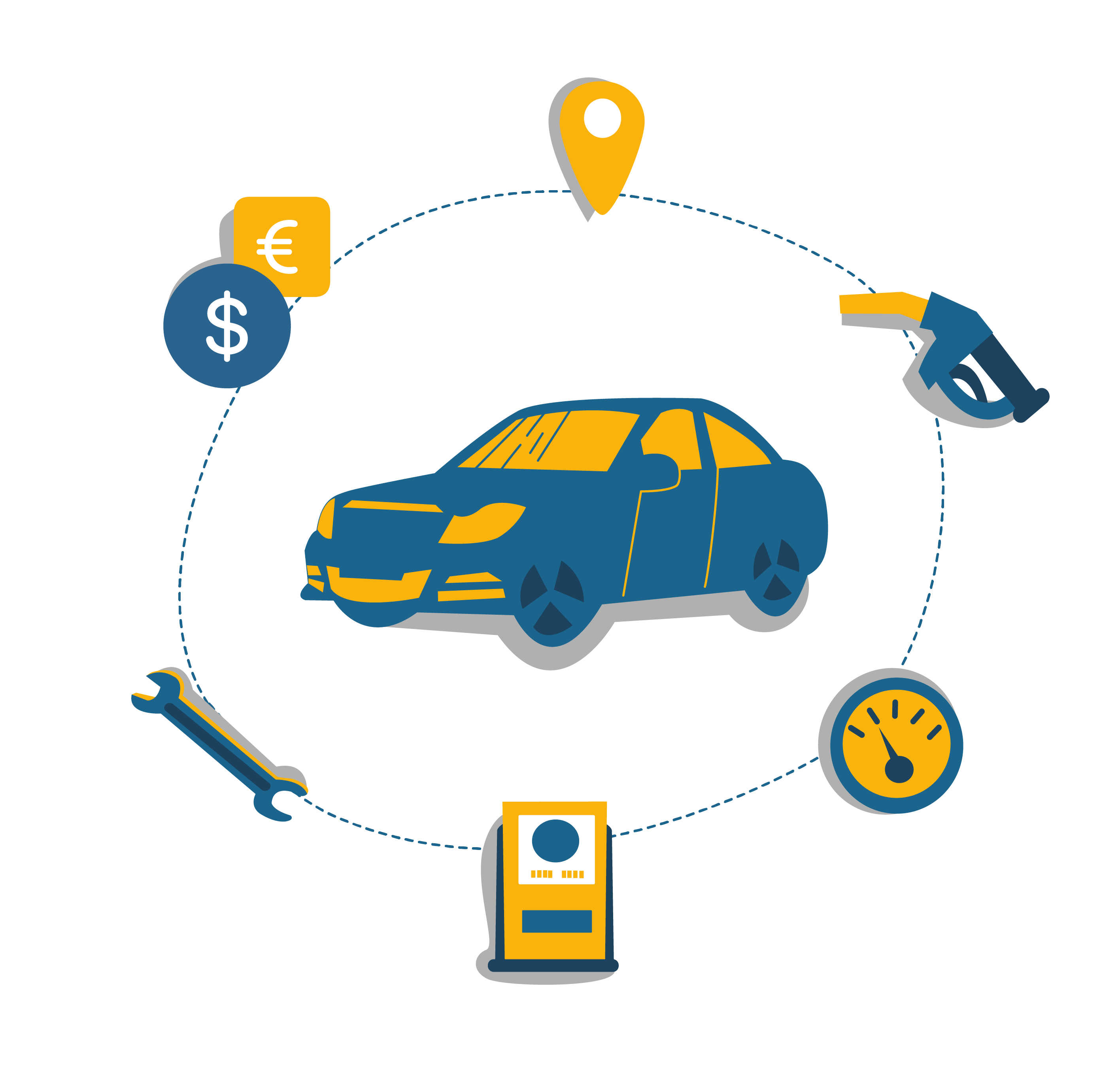
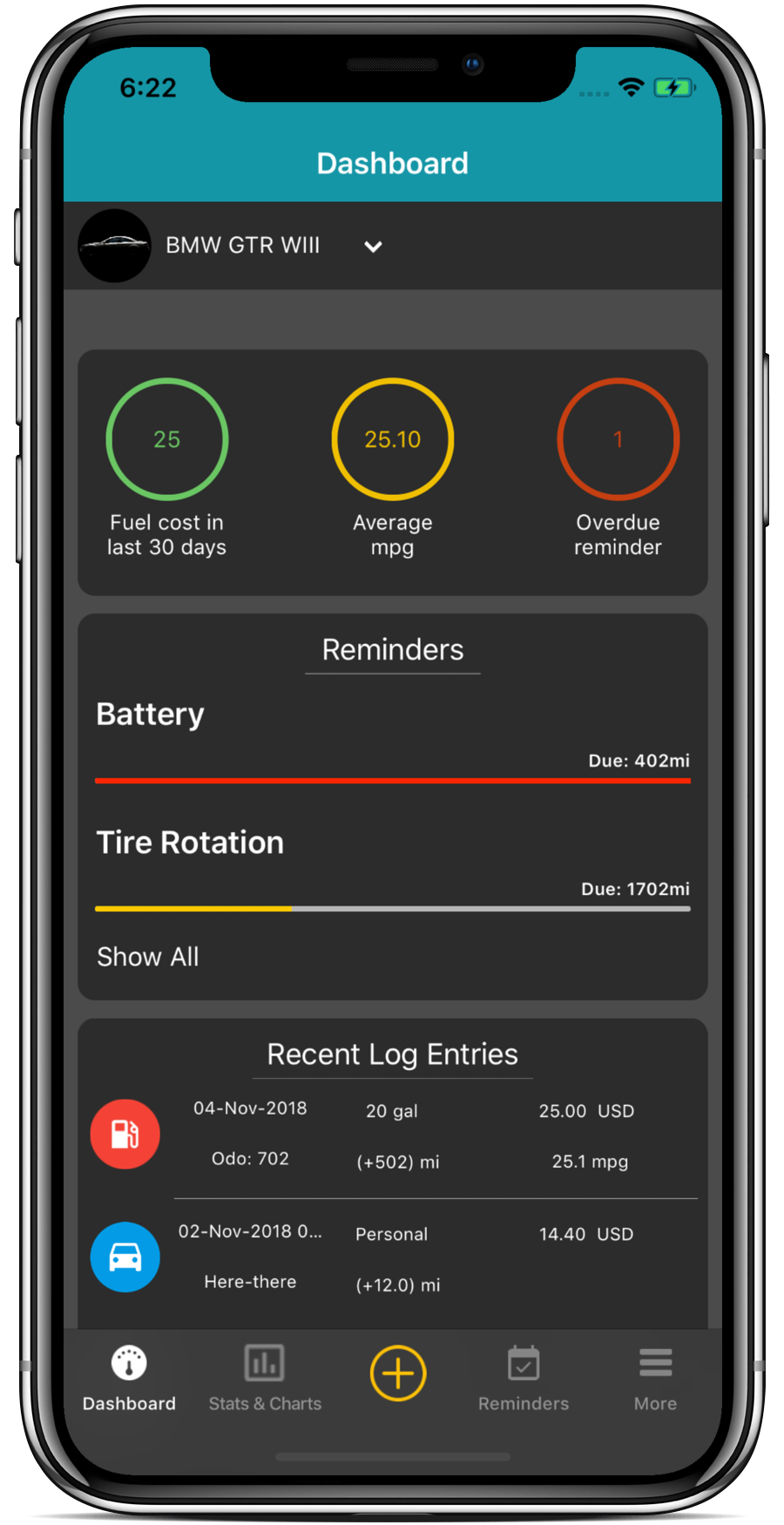
Record fill-ups for all your cars and monitor your car’s efficiency.
Need to track business mileage? Just start auto trip and we will track all your trips in the background whenever you are on the move.
Don’t lose sight of your maintenance and services. Log your services and we will remind you when its due.
Know your vehicle's running costs and plan for your expenses.
Sign into the cloud and get easy access to all your data from anywhere and any device.
Run your reports or schedule them weekly or monthly to know more about your fill-ups , mileage and expenses.
In the landscape of modern advocacy, data points are often the first line of defense. We cite percentages, quote incidence rates, and map out demographic trends to prove that a problem exists. But while statistics capture the scale of a crisis, they rarely capture its soul .
This article explores why survivor voices are not just a component of awareness campaigns—they are the catalyst that transforms public indifference into action, stigma into solidarity, and silence into safety. For decades, psychologists have understood that the human brain is wired for story. When we hear a list of facts, only two parts of our brain light up: the language processing areas. But when we hear a story—especially a story of struggle and resilience—our entire brain activates. We don’t just understand a survivor’s pain; we feel it via our sensory cortex, our motor cortex, and our frontal lobes. asianrapecom patched
Awareness campaigns that rely solely on warnings (“1 in 5 women will be assaulted”) often trigger a phenomenon called psychic numbing . The number is so large, the problem so vast, that the brain shuts down to avoid empathy fatigue. In the landscape of modern advocacy, data points
Make sure you are creating the space for them to be heard. If you or someone you know needs support, contact the National Sexual Assault Hotline at 1-800-656-4673, or the Suicide and Crisis Lifeline by dialing 988. This article explores why survivor voices are not
If you are a survivor reading this, your voice is not a burden. It is a bridge. Whether you shout it from a megaphone at a rally or whisper it into a microphone for a podcast, your story has the power to dismantle shame—starting with your own.
At its core, #MeToo was not a hashtag; it was a collection of hundreds of thousands of . The campaign succeeded not because of a celebrity endorsement or a slick PSA, but because of aggregated vulnerability . When a young retail worker saw her favorite actress share her own story of harassment, the barrier of shame broke. That single act of storytelling turned a whisper network into a global roar.

In the landscape of modern advocacy, data points are often the first line of defense. We cite percentages, quote incidence rates, and map out demographic trends to prove that a problem exists. But while statistics capture the scale of a crisis, they rarely capture its soul .
This article explores why survivor voices are not just a component of awareness campaigns—they are the catalyst that transforms public indifference into action, stigma into solidarity, and silence into safety. For decades, psychologists have understood that the human brain is wired for story. When we hear a list of facts, only two parts of our brain light up: the language processing areas. But when we hear a story—especially a story of struggle and resilience—our entire brain activates. We don’t just understand a survivor’s pain; we feel it via our sensory cortex, our motor cortex, and our frontal lobes.
Awareness campaigns that rely solely on warnings (“1 in 5 women will be assaulted”) often trigger a phenomenon called psychic numbing . The number is so large, the problem so vast, that the brain shuts down to avoid empathy fatigue.
Make sure you are creating the space for them to be heard. If you or someone you know needs support, contact the National Sexual Assault Hotline at 1-800-656-4673, or the Suicide and Crisis Lifeline by dialing 988.
If you are a survivor reading this, your voice is not a burden. It is a bridge. Whether you shout it from a megaphone at a rally or whisper it into a microphone for a podcast, your story has the power to dismantle shame—starting with your own.
At its core, #MeToo was not a hashtag; it was a collection of hundreds of thousands of . The campaign succeeded not because of a celebrity endorsement or a slick PSA, but because of aggregated vulnerability . When a young retail worker saw her favorite actress share her own story of harassment, the barrier of shame broke. That single act of storytelling turned a whisper network into a global roar.

Simply Fleet is a simple and affordable software to help you track, monitor and analyse your fleet’s operations.